Roof Coatings Explained: Protection, Finish and Lifespan
@damienmosa878
A roof coating is much more than a simple layer of paint; it is a specialised, high-build protective membrane engineered to shield roofing materials from severe weathering, water ingress, and degradation. On the Sunshine Coast, residential and commercial roofs face constant exposure to high UV indexes, marine salt spray, and heavy subtropical storm events. Applying a modern roof coating system provides an impenetrable barrier that revitalises the roof's visual appeal while preserving the underlying structural substrates.
How Roof Coatings Protect Sunshine Coast Homes
Roof coatings serve as a sacrificial, weather-resistant barrier between your roofing substrate—whether concrete tile, terracotta, or metal Colorbond—and the harsh coastal elements. Contemporary formulations utilised in 2026 are heavily focused on elastomeric flexibility, solar reflectivity, and chemical resistance.
Thermal Reflection and Energy Efficiency
Modern cool roof coatings incorporate heat-reflective pigments designed to bounce infrared radiation away from the building envelope. By reducing heat transfer through the roof cavity into the living spaces below, reflective membrane coatings can lower internal ambient temperatures by several degrees. This significantly reduces household dependency on air conditioning systems during peak Sunshine Coast summer months, supporting energy conservation targets and reducing utility costs.
Waterproofing and Structural Integrity
Over time, porous concrete roof tiles absorb water, leading to internal moisture retention, weight gain, and mould growth. Metal roofs are similarly susceptible to micro-fissures and corrosion along cut edges and fasteners. Elastomeric roof coatings create a seamless, continuous membrane that bridges hairline cracks, seals micro-pores, and forms an impermeable seal against wind-driven rains common to Southeast Queensland.
Salt Spray and Corrosion Defense
For properties located in coastal hubs like Maroochydore, Caloundra, or Noosa, airborne sea salt rapidly degrades unprotected surfaces. A high-grade coating prevents atmospheric salt particles from oxidising metal roofing sheets and prevents salt crystallization within tiled substrates, effectively halting premature weathering.
Choosing the Right Finish: Aesthetics and Performance
The protective coating you select directly determines the exterior aesthetics of your property. Roofing membranes come in a spectrum of finishes and curated colour profiles designed to complement coastal architectural trends.
Gloss Finishes: A high-gloss membrane delivers a sleek, light-reflective surface. Gloss finishes tend to shed dirt and debris more readily with rainfall, reducing the buildup of airborne grime and moss. However, they may highlight minor surface imperfections on older, irregular roofs.
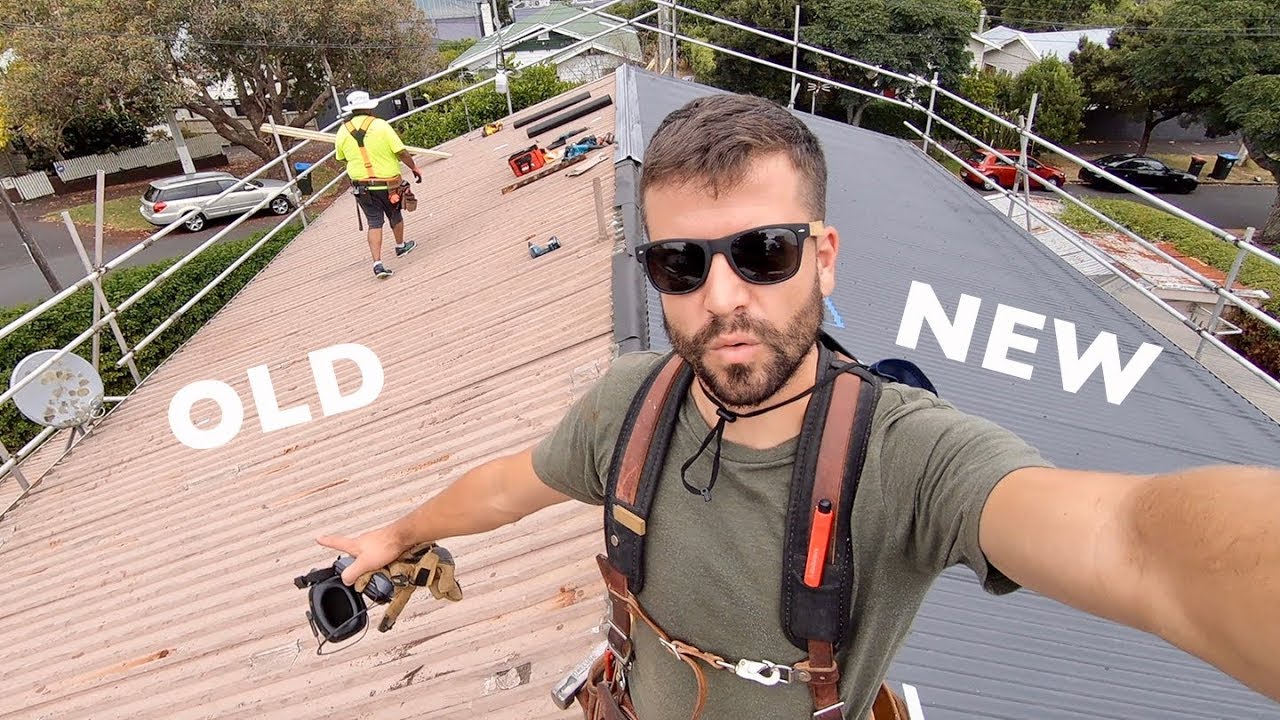
Satin and Low-Sheen Finishes: Increasingly popular across contemporary Queensland architectural styles, satin and low-sheen finishes provide a modern, subtle appearance while still offering high durability. They effectively diffuse sunlight and conceal minor substrate blemishes without compromising protection.
Selecting lighter tones—such as off-whites, coastal greys, and light sands—maximises solar reflectance values (SRI), aligning aesthetic updates with modern energy efficiency standards.
Understanding Lifespan and Recoating Timelines
A professionally applied roof coating typically lasts between 10 to 15 years before requiring a maintenance recoat. The actual longevity depends heavily on initial surface preparation, the quality of primer and membrane used, and the home's proximity to the ocean.
Substrates that receive comprehensive https://trevororiz339.readspirex.com/posts/bird-proofing-solar-panels-without-damaging-your-roof pressure cleaning, fungicide treatments, pointing repairs, and substrate-matched priming before the topcoats are applied achieve the greatest lifespan. Properties positioned within one kilometre of the ocean may experience faster topcoat erosion due to wind-blown sand and high salinity, making periodic inspections essential.
Signs Your Roof Needs a New Protective Coating
Observing the condition of your roof from ground level or during routine gutter maintenance can reveal when the existing coating has reached the end of its functional life.
- Chalking and Fading: A powdery residue running down gutters or noticeable colour bleaching indicates binder breakdown caused by UV radiation.
- Flaking or Peeling: Previous paint layers separating from the substrate signal lost adhesion, leaving the material underneath vulnerable to water penetration.
- Lichen and Algae Proliferation: Porous, aged coatings trap moisture, creating fertile ground for moss, black algae, and lichen colonies.
- Surface Rusting: Visible oxidation spots on corrugated iron or metal flashings require prompt neutralization and recoating before perforation occurs.
Maintenance Best Practices for Maximum Longevity
Proactive care ensures that a roof coating maintains its visual vibrancy and structural integrity throughout its designed lifecycle.
- Annual Soft Washing: Wash away accumulated coastal salts, dirt, and organic spore deposits using low-pressure wash methods to prevent premature coating wear.
- Keep Valleys and Gutters Cleared: Accumulated leaves hold continuous moisture, which can soften membrane coatings in roof channels over prolonged periods.
- Trim Overhanging Branches: Mitigate physical abrasions caused by tree branches scraping against the roof during storm conditions.
- Schedule Periodic Inspections: Have an accredited roof specialist inspect flashings, pointings, and membrane integrity every three to five years to identify and address minor defects early.
Investing in a premium roof coating system provides long-term peace of mind by extending roof longevity, improving household energy efficiency, and elevating curb appeal against the demanding Sunshine Coast climate.
Sunshine Coast Roof Restoration & Repair
Unit 8/13 Newspaper Pl, Maroochydore QLD 4558
(07) 4145 4576